 EN
EN

Wooden Forks
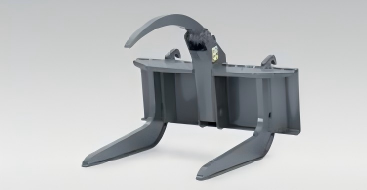
Log Fork (Wood Fork), a specialized heavy-duty attachment designed for loaders and similar earthmoving machinery. Engineered to efficiently handle, lift, and transport logs, timber, and various wooden materials, it features a robust gray high-strength steel structure with two elongated, tapered tines and an optional top-mounted grapple mechanism, enabling secure gripping and maneuvering of large, irregularly shaped wood loads across diverse industrial and commercial contexts.
Description
Product Description
Log Fork (Wood Fork), a specialized heavy-duty attachment designed for loaders and similar earthmoving machinery. Engineered to efficiently handle, lift, and transport logs, timber, and various wooden materials, it features a robust gray high-strength steel structure with two elongated, tapered tines and an optional top-mounted grapple mechanism, enabling secure gripping and maneuvering of large, irregularly shaped wood loads across diverse industrial and commercial contexts.
Application Fields
1. Forestry and Logging Operations
Log forks are indispensable in forestry and logging, streamlining the harvesting and transportation of cut logs from felling sites to processing facilities. In coniferous forests, they efficiently pick up single pine or fir logs and bundled timber, reducing manual labor and accelerating workflows. During large-scale clear-cutting, log forks on heavy-duty loaders can move dozens of cubic meters of timber daily, ensuring timely delivery to sawmills or woodyards. They also excel in selective thinning operations, where precise log removal maintains forest health.
2. Wood Processing and Manufacturing
Sawmills, plywood factories, and woodworking plants rely on log forks to move raw timber internally. Capable of handling logs of all diameters—from slender saplings to massive trunks—they transfer wood to cutting machines, storage yards, or shipping docks. In a modern sawmill, a log fork on a skid-steer loader feeds logs into debarking machines with precision, minimizing downtime. For furniture or flooring manufacturers, they ensure a steady supply of raw materials, eliminating production bottlenecks.
3. Construction and Landscaping
In construction, log forks transport wooden beams, posts, and lumber, especially in rural or timber-framed projects. When building a log cabin, they lift and position heavy logs for structural integrity. Landscapers use them for log retaining walls, garden borders, or decorative piles. In public parks, they place logs as benches or pathway markers, blending functionality and aesthetics. They also clear storm-damaged trees from construction sites or residential areas.
4. Agricultural and Rural Maintenance
Farms and rural properties use log forks for tasks like firewood management and infrastructure upkeep. A farm might stack firewood for winter heating, while livestock operations move fence posts for repairs. They clear fallen trees after storms, preventing damage to crops or buildings. For hobbyists, they process firewood or craft wood, turning raw logs into usable materials efficiently.
Product Features
1. High-Strength Tine Construction
Tines are made from abrasion-resistant steel (e.g., Hardox), ensuring durability and resistance to bending. Their tapered, pointed design allows easy insertion into wood stacks, and thick steel (often over 20mm) handles loads up to several tons. Reinforced welds at tine-to-frame connections enhance strength for repeated heavy use.
2. Secure Gripping Mechanism
Many log forks have a top-mounted grapple or securing arm that clamps logs to prevent slippage. Hydraulic or mechanical, this mechanism stabilizes uneven or bundled loads over rough terrain. Some models offer adjustable grapple pressure to suit load size and weight, reducing timber damage.
3. Universal Quick-Attach Compatibility
With industry-standard quick-attach interfaces, log forks work with most loader models—from compact skid-steers to large wheel loaders. This allows fleet managers to deploy them across machines, adapting to tasks of all scales. Tool changes take under five minutes, minimizing downtime.
4. Optimal Load Distribution
The design balances load distribution, with tines spaced to prevent tipping. The frame transfers weight efficiently to the host machine, reducing stress on hydraulics and components. This enhances safety and extends the lifespan of both the attachment and the loader.
5. Versatility in Load Sizing
Log forks come in various configurations, with tine lengths from 1.2m to over 3m and adjustable spacing for different log diameters. This adaptability handles everything from small branches to massive trunks. Custom options like replaceable tine tips or extended grapple arms further meet specific needs.
The Log Fork is a pivotal tool for wood-reliant industries, offering secure handling, durability, and versatility. Its role in streamlining material movement across forestry, manufacturing, construction, and rural sectors highlights its importance in boosting productivity, safety, and efficiency. Whether in large-scale logging or small-scale farm maintenance, it delivers consistent performance, making it indispensable for any operation involving wooden materials.